


What Do Children Learn at Montessori Schools in Mississauga?

Early childhood is a valuable time for developing curiosity, confidence, and everyday abilities. Choosing the right educational setting can help parents give their children a positive start. When exploring Montessori Schools in Mississauga, families often want to understand how Montessori learning works and which skills children can develop through daily classroom experiences.
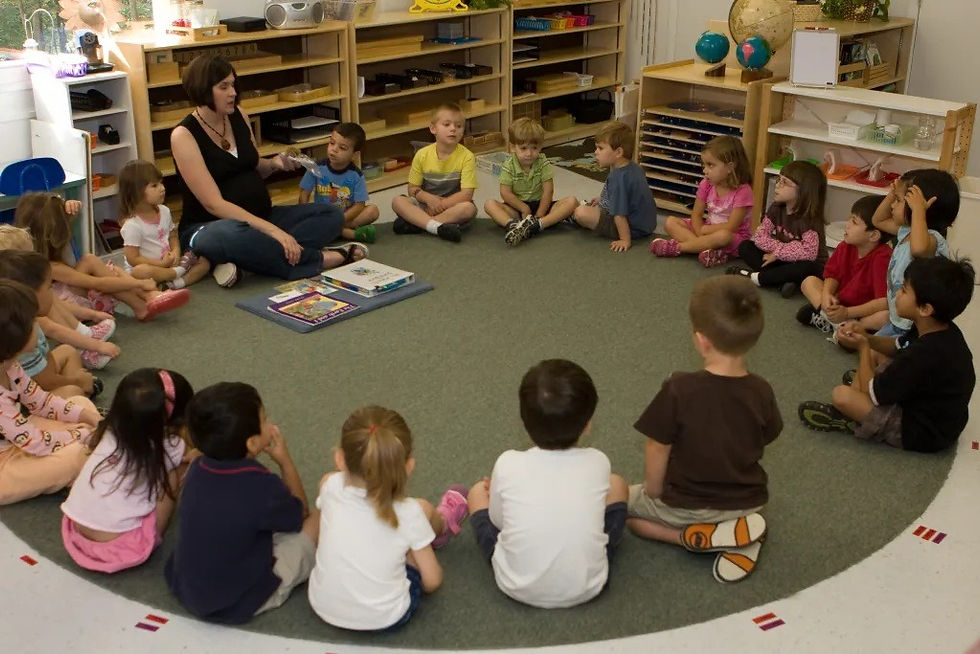
Montessori education encourages children to participate actively in learning rather than follow instructions. Through age-appropriate activities, guided exploration, and opportunities to practise independently, children can develop communication, early academic knowledge, creativity, and social awareness.
How Do Montessori Schools in Mississauga Support Learning?
Montessori learning focuses on children's individual development. Educators introduce activities that encourage observation, practice, concentration, and independent thinking. Children can explore suitable materials while receiving support from teachers when needed.
When comparing schools, parents should consider the teaching approach, classroom organisation, staff qualifications, safety procedures, daily routines, and suitability of the programme for their child's age.
Visiting a school and speaking with educators can also help families understand how learning activities are planned and how children's progress is communicated.
What Skills Do Children Develop Through Montessori Education?
1. Language and Early Literacy: Language activities help children recognise sounds, expand their vocabulary, and communicate their thoughts. Depending on their age and readiness, children may explore picture books, storytelling, letter sounds, conversation, and early writing exercises.
Regular opportunities to listen and speak can help children express their needs, ask questions, and participate in group activities. As their abilities develop, they may begin recognising letters, forming words, and practising early reading skills.
2. Mathematics and Logical Thinking: Early mathematics becomes easier to explore when children can see and handle learning materials. As children become more confident, educators may introduce number recognition, simple calculations, and other age-appropriate activities.
These experiences also encourage children to notice patterns, work through challenges, and try different solutions instead of giving up when something seems difficult.
3. Independence and Everyday Responsibilities: Montessori activities can include practical tasks such as organising classroom materials, pouring water, arranging objects, and putting away toys after use.
Although these tasks may appear simple, they give children opportunities to practise coordination, follow sequences, and take responsibility for their surroundings. This practice may strengthen their confidence and help them participate more comfortably in everyday routines at home and school.
Parents researching Private Montessori Schools in Mississauga can ask how practical activities are incorporated into the daily schedule.
4. Social Skills and Emotional Awareness: Early education also involves learning how to interact with other people. Children need opportunities to practise sharing, taking turns, listening, cooperating, and expressing their feelings appropriately.
Group activities and classroom routines can help children understand that other people may have different ideas and needs. Educators can guide them through minor disagreements and encourage respectful communication.
Over time, these experiences may support empathy, patience, emotional awareness, and positive relationships with classmates.
5. Creativity and Self-Expression: Drawing, painting, music, crafts, and imaginative play can give children different ways to communicate ideas and explore their interests.
Creative activities allow children to experiment with materials, make choices, and discover new possibilities. They can also practise hand control, recognise colours and shapes, and develop their imagination.
A supportive learning environment encourages children to explore their ideas without expecting every activity to produce the same result.
6. Science and Understanding the Natural World: Children often learn by observing things around them. Montessori-inspired activities can encourage them to investigate plants, animals, weather, seasonal changes, and everyday objects.
For example, children might compare leaves, observe how a plant grows, sort natural materials, or discuss changes in the weather. Such experiences introduce observation, classification, and early scientific reasoning.
They can also encourage curiosity about the environment and help children develop an appreciation for the world around them.
7. Fine Motor Skills and Physical Coordination: Activities such as threading large beads, handling suitable learning materials, arranging shapes, drawing, and practising writing movements can help children develop hand-eye coordination.
Movement and outdoor play, where included in the programme, provide additional opportunities to practise balance, coordination, and body awareness.
These abilities contribute to everyday tasks such as handling classroom materials, dressing independently, and preparing for early writing activities.
What Should Parents Check Before Choosing a Montessori School?
Finding suitable Montessori Schools involves looking beyond the school name or location. Parents should understand what each programme offers and whether it matches their child's needs.
Consider these questions before making a decision:
• Does the school offer a programme appropriate for your child's age?
• Are learning materials suitable, accessible, and well organised?
• What safety, supervision, hygiene, and safeguarding procedures are followed?
• Are meals, rest periods, and outdoor activities included where appropriate?
• How are children's development and progress discussed with parents?
• What are the admission requirements, fees, and operating hours?
Families considering Private Montessori Schools in Mississauga should also verify the school's current licensing status where applicable and ask about its curriculum and teaching practices.
Explore Casa Dee Montessori
Casa Dee Montessori is an option for families researching Montessori education for their children. Parents can contact the school to learn about its available programmes, admission process, and learning environment.
Before enrolling, consider arranging a visit, discussing your child's developmental needs, and reviewing the school's policies. These steps can help you decide whether the programme is a suitable match for your family.
Montessori education offers opportunities for children to explore language, mathematics, practical tasks, creativity, social relationships, and the natural world through active participation. The activities and outcomes vary according to a child's age, individual needs, and the programme provided.
Parents searching for Montessori Schools near me in Mississauga should compare learning approaches, educator experience, classroom environments, and programme details before choosing a school. Taking time to understand these factors can help families make a more informed decision about their child's early education.
Frequently Asked Questions
1. What do children learn at Montessori schools in Mississauga?
Children may develop early literacy, mathematical understanding, practical life skills, creativity, social awareness, and problem-solving abilities through hands-on activities and guided learning.
2. How is Montessori education different from traditional early learning?
Montessori education generally places greater emphasis on independent activity, hands-on materials, and learning at an individual pace. Teaching methods and classroom practices vary between schools.
3. What should parents look for in Private Montessori Schools in Mississauga?
Parents should review programme suitability, educator qualifications, safety procedures, classroom resources, fees, daily routines, and licensing requirements where applicable.
4. At what age can children begin Montessori education?
The starting age depends on the school's available programmes and admission policies. Some schools accept infants or toddlers, while others focus on preschool and kindergarten-age children.
5. Can Montessori education help prepare children for kindergarten?
Montessori activities may support early literacy, numeracy, communication, concentration, independence, and social development. Kindergarten readiness depends on each child's development and the programme they attend.
6. How can I find Montessori Schools near me in Mississauga?
Research local schools, compare their programmes, review parent information, and arrange visits where possible. Ask about teaching methods, safety, admissions, and suitability for your child.
7. How can I learn more about Casa Dee Montessori?
Contact us: (905) 955-2333 directly to ask about its current programmes, age groups, enrolment requirements, and school policies.


Comments