


Best Age to Start Montessori for Infants: A Parent's Guide – Casa Dee Montessori
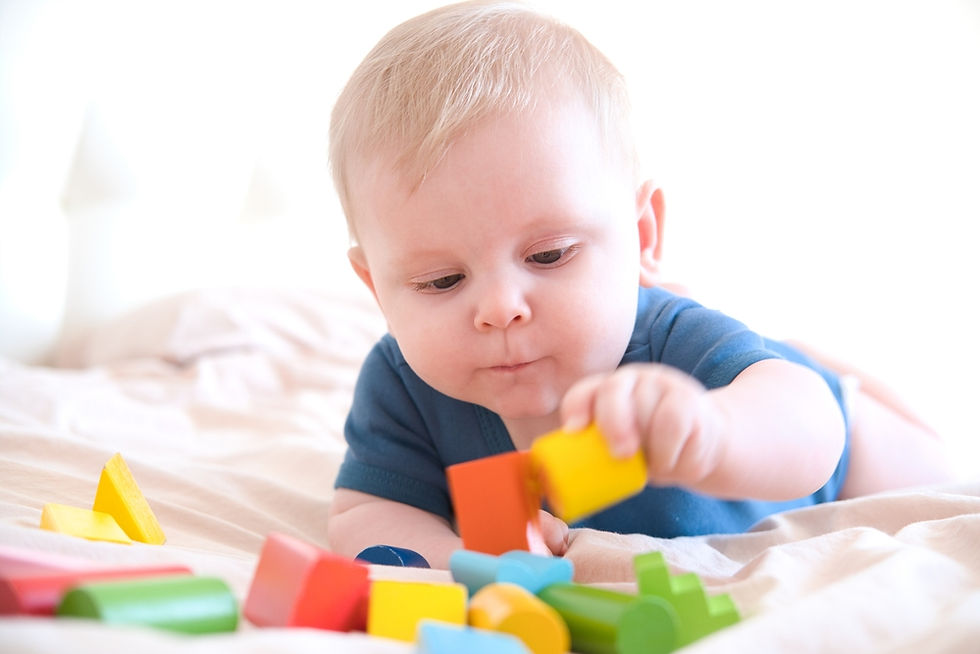
Parents often ask one important question: "When is the best age to start Montessori for infants?" While every child develops at their own pace, the Montessori philosophy believes that learning begins at birth. The earliest months of life are filled with incredible growth, making this the ideal time to introduce an environment that encourages curiosity, independence, and confidence.
If you're looking for Montessori for Infants in Caledon, ON, choosing the right program early can make a lasting difference in your child's development. At Casa Dee Montessori, we provide a nurturing, safe, and engaging environment where infants are encouraged to explore, discover, and develop essential life skills through age-appropriate Montessori practices.
In this guide, we'll explain the ideal age to begin Montessori, the benefits of early education, and how parents can make the best choice for their little one.
Why Early Childhood Matters
The first three years of a child's life are among the most important stages of development. During this period, a baby's brain forms millions of neural connections every second. They absorb information naturally through their senses, movement, and everyday experiences.
Rather than relying on structured lessons, the Montessori approach supports natural development by providing meaningful opportunities for infants to explore their surroundings independently.
A well-prepared Montessori environment helps children build:
Language skills
Motor development
Emotional security
Problem-solving abilities
Confidence and independence
Social interaction skills
These early experiences create a strong foundation for lifelong learning.
What Is Montessori for Infants?
Montessori for infants focuses on respecting each child's natural development while encouraging independence from the very beginning.
Instead of overstimulating toys or constant adult direction, infants are provided with carefully selected materials that encourage exploration and movement.
The Montessori infant environment typically includes:
Safe spaces for movement
Natural learning materials
Child-sized furniture
Sensory exploration
Gentle routines
Individual attention
Calm and peaceful surroundings
Teachers observe each child's interests and developmental milestones, providing support without interrupting natural curiosity.
So, What Is the Best Age to Start Montessori?
One of the biggest misconceptions is that Montessori begins at preschool age. In reality, Montessori principles can begin from birth.
Many Montessori infant programs welcome babies between 6 weeks and 18 months, while others begin around 3 to 6 months, depending on licensing requirements and family preferences.
The ideal age depends on several factors:
Birth to 6 Months
During this stage, babies focus on bonding, sensory experiences, and developing trust.
A Montessori environment supports:
Visual stimulation
Gentle communication
Freedom of movement
Secure attachments
Calm routines
6 to 12 Months
This is an exciting period as infants begin sitting, crawling, and exploring.
Montessori encourages:
Independent movement
Object exploration
Fine motor development
Cause-and-effect learning
Language development through conversation
12 to 18 Months
Toddlers become increasingly curious and eager to imitate adults.
They benefit from:
Practical life activities
Self-feeding
Early problem solving
Simple responsibility
Social interaction
The earlier children experience a prepared Montessori environment, the more naturally they develop confidence and independence.
Benefits of Starting Montessori Early
Encourages Independence
Even infants can begin making simple choices.
Rather than doing everything for the child, Montessori educators gently encourage them to participate in everyday activities appropriate for their age.
Small achievements build confidence that continues into later childhood.
Supports Natural Brain Development
Hands-on learning strengthens neural pathways much more effectively than passive entertainment.
Infants learn through:
Touch
Sight
Sound
Movement
Exploration
This active learning promotes healthy cognitive development.
Builds Strong Language Skills
Montessori educators consistently speak respectfully and clearly with infants.
Children hear a rich vocabulary throughout the day, helping language develop naturally.
Reading, songs, conversations, and naming objects all contribute to communication skills.
Develops Fine and Gross Motor Skills
Movement is an essential part of Montessori education.
Activities encourage children to:
Reach
Crawl
Stand
Walk
Grasp
Stack
Carry
Balance
Each movement strengthens coordination and physical development.
Creates a Love of Learning
Rather than rewarding children for completing tasks, Montessori inspires intrinsic motivation.
Children learn because they're curious—not because they're told to.
This mindset often continues throughout school and beyond.
Signs Your Infant Is Ready for Montessori
Every child develops differently, but many parents notice signs that their baby is ready for a Montessori environment.
These may include:
Curiosity about surroundings
Interest in exploring
Responding to sounds and voices
Beginning to roll or crawl
Enjoying interaction with others
Following objects visually
Showing interest in everyday routines
Even very young infants benefit from consistent routines and meaningful interaction.
How Casa Dee Montessori Supports Infant Learning
At Casa Dee Montessori, we understand that choosing childcare is one of the biggest decisions parents make.
Our Montessori infant program focuses on creating a warm, caring, and stimulating environment where every child feels safe, valued, and encouraged.
Our experienced educators provide:
Individualized attention
Safe and clean classrooms
Montessori-inspired learning materials
Age-appropriate activities
Daily communication with families
Loving and respectful care
Consistent routines that help infants feel secure
We believe every child deserves the opportunity to develop at their own pace while receiving the guidance and encouragement they need.
Why Parents Choose Casa Dee Montessori in Caledon
Families throughout Caledon, Bolton, and nearby communities trust Casa Dee Montessori because we combine authentic Montessori principles with compassionate childcare.
Parents appreciate our:
Qualified and caring educators
Safe learning environment
Focus on independence
Individualized learning experiences
Strong parent communication
Clean and welcoming classrooms
Commitment to every child's development
Whether your child is just beginning their learning journey or transitioning into toddler programs, we provide the support they need to thrive.
Tips for Parents Starting Montessori at Home
You can reinforce Montessori principles outside the classroom by creating a simple learning environment at home.
Try these ideas:
Allow your baby freedom to move safely.
Rotate toys instead of offering too many at once.
Speak clearly and respectfully.
Encourage exploration rather than constant entertainment.
Include your child in everyday routines.
Read together daily.
Maintain predictable schedules.
Celebrate effort instead of perfection.
Small daily experiences make a big difference.
Final Thoughts
There isn't one perfect age to begin Montessori because every child is unique. However, introducing Montessori principles during infancy provides children with valuable opportunities to develop confidence, independence, and a lifelong love of learning.
If you're searching for a trusted Montessori for Infants in Caledon, ON, Casa Dee Montessori offers a caring environment where infants can safely explore, grow, and reach important developmental milestones through authentic Montessori education.
We welcome families to visit our campus, meet our educators, and discover how our infant program can help your child build a strong foundation for future success.
(FAQs)
1. What is the best age to start Montessori for infants?
Montessori learning can begin from birth. Many infant programs welcome babies as young as 6 weeks, while others start between 3 and 6 months, depending on the program.
2. Is Montessori suitable for infants?
Yes. Montessori supports infants through sensory exploration, movement, language development, and respectful caregiving in a safe, nurturing environment.
3. What are the benefits of Montessori for infants?
Montessori helps infants develop independence, confidence, communication skills, motor development, emotional security, and a lifelong love of learning.
4. How is Montessori different from traditional infant daycare?
Montessori focuses on child-led learning, independence, hands-on exploration, and individualized development rather than structured group activities.
5. Does Casa Dee Montessori offer Montessori programs for infants in Caledon, ON?
Yes. Casa Dee Montessori provides a nurturing Montessori environment for infants, helping them build strong developmental foundations through age-appropriate learning experiences.
6. How can I enroll my child at Casa Dee Montessori?
You can contact Casa Dee Montessori or visit the website to schedule a tour and learn more about the infant Montessori program in Caledon, ON.


Comments