


How Does Montessori Education Help Children Build Independence?

Parents today want more than just academic success for their children. They want their children to grow into confident, responsible, and independent individuals who can make decisions, solve problems, and adapt to different situations. This is where Montessori Education Center in Brampton stands apart from traditional learning methods.
At Casa Dee Montessori, we believe that independence is one of the most valuable skills a child can develop. Through carefully designed learning environments and hands-on activities, children are encouraged to explore, learn, and grow at their own pace while building confidence in their abilities.
Understanding Independence in Montessori Education
Independence is not simply about letting children do things on their own. It is about helping them develop the skills, confidence, and mindset needed to become capable individuals. Montessori education focuses on empowering children to take responsibility for their learning and daily activities.
The Montessori philosophy, developed by Dr. Maria Montessori, recognizes that children naturally desire to learn and achieve things independently. By providing the right environment and guidance, children can develop self-reliance from an early age.
At a Montessori Education Center in Brampton, children are encouraged to make choices, complete tasks independently, and learn through real-life experiences. These opportunities help them build confidence and develop essential life skills.
A Prepared Environment Encourages Independence
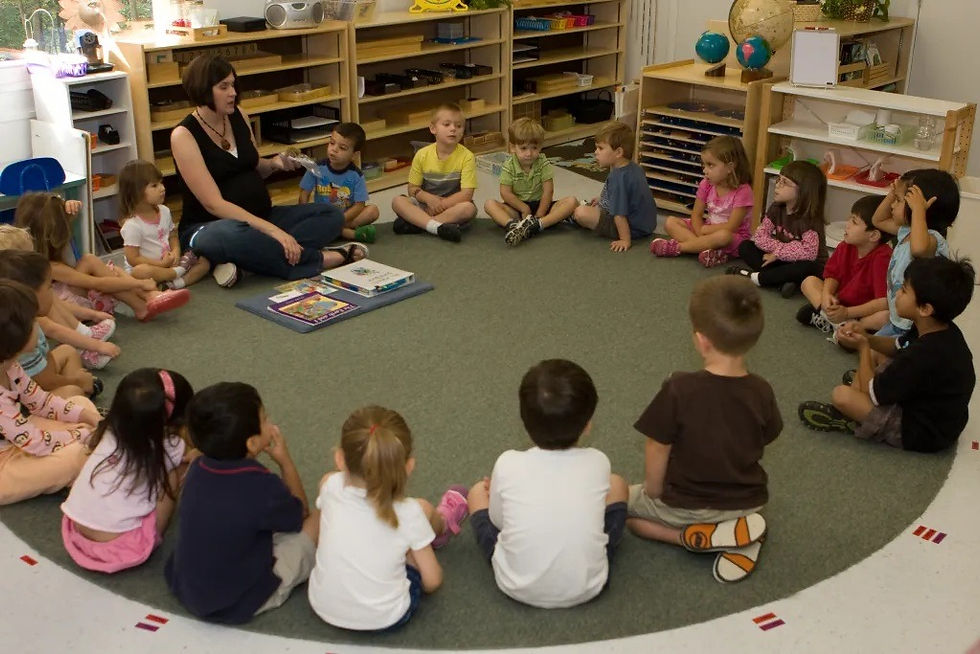
One of the key features of Montessori education is the prepared environment. Every classroom is carefully organized to allow children easy access to learning materials and resources.
Furniture, shelves, and learning tools are designed specifically for children. This allows them to select activities, use materials, and return them independently without constantly relying on adults.
When children can navigate their environment successfully, they develop a sense of ownership and responsibility. They learn that they are capable of managing tasks on their own, which strengthens their independence.
Freedom Within Limits
Montessori classrooms provide children with freedom within a structured environment. Rather than being told exactly what to do at every moment, children are given opportunities to choose activities that interest them.
This freedom helps children:
Make decisions independently
Develop critical thinking skills
Learn responsibility for their choices
Build self-confidence
Teachers guide children when needed but encourage them to solve problems and complete tasks independently. This balance between freedom and guidance helps children become confident learners.
Hands-On Learning Builds Confidence
Montessori education emphasizes hands-on learning experiences. Children actively engage with specially designed materials that help them understand concepts through exploration and practice.
When children work with Montessori materials independently, they learn through trial and error. They discover solutions on their own and gain confidence from their achievements.
Each successful experience reinforces the belief that they can learn and accomplish tasks independently. This confidence extends beyond the classroom and into everyday life.
Practical Life Activities Develop Real-World Skills
Practical life activities are a cornerstone of Montessori education. These activities teach children valuable skills that they can use in daily life.
Examples include:
Pouring water
Cleaning tables
Organizing materials
Preparing snacks
Dressing independently
Caring for plants
These seemingly simple activities help children develop coordination, concentration, and self-discipline. More importantly, they teach children that they are capable contributors who can care for themselves and their environment.
At Casa Dee Montessori, practical life exercises play an important role in helping children build confidence and independence from an early age.
Encouraging Problem-Solving Skills
Independent children are effective problem-solvers. Montessori education encourages children to think critically and find solutions on their own.
Instead of immediately providing answers, Montessori educators guide children through the problem-solving process. Children learn to:
Analyze situations
Explore different solutions
Learn from mistakes
Develop resilience
This approach teaches children that challenges are opportunities for growth rather than obstacles to avoid.
Self-Paced Learning Supports Individual Growth
Every child learns differently. Montessori education recognizes that children develop at their own pace.
In a Montessori classroom, children are not pressured to keep up with a rigid schedule. Instead, they can spend more time mastering concepts and skills before moving on to new challenges.
This individualized approach allows children to experience success without unnecessary stress. As they achieve goals independently, their confidence and motivation continue to grow.
Building Responsibility Through Daily Routines
Montessori classrooms encourage children to take responsibility for their actions and the learning environment.
Children are responsible for:
Choosing activities
Completing tasks
Returning materials
Maintaining classroom order
Respecting others
These daily responsibilities teach accountability and help children understand the importance of contributing to their community.
As children become more responsible, they develop greater independence and maturity.
Developing Social Independence
Independence is not only about working alone. Montessori education also helps children become socially independent.
Children learn how to:
Communicate effectively
Resolve conflicts respectfully
Collaborate with peers
Show empathy and respect
Mixed-age classrooms provide opportunities for younger children to learn from older students while older children develop leadership skills.
These experiences help children become confident in social situations and develop strong interpersonal skills.
Fostering Intrinsic Motivation
Traditional education often relies on rewards and punishments to motivate children. Montessori education takes a different approach by encouraging intrinsic motivation.
Children learn because they are curious, not because they expect a reward.
When children are motivated from within, they become more independent learners. They develop a lifelong love of learning and are more likely to take initiative in their education and personal growth.
The Long-Term Benefits of Montessori Independence
The independence developed through Montessori education provides lifelong advantages.
Children who learn in Montessori environments often demonstrate:
Strong self-confidence
Better decision-making abilities
Greater responsibility
Improved problem-solving skills
Enhanced leadership qualities
Strong academic motivation
These skills help children succeed in school, relationships, and future careers.
Why Choose Casa Dee Montessori?
If you are looking for a trusted Montessori Education Center in Brampton, Casa Dee Montessori provides a nurturing environment where children can thrive academically, socially, and emotionally.
Our experienced educators are committed to helping children develop independence, confidence, and a love for learning. Through authentic Montessori methods, hands-on activities, and personalized guidance, we support every child's unique journey toward becoming a capable and self-reliant individual.
We believe that when children are given the opportunity to learn independently, they develop the skills they need to succeed throughout life.
(FAQs)
1. What makes Montessori education different from traditional education?
Montessori education focuses on child-led learning, hands-on experiences, and individualized instruction, allowing children to learn at their own pace while developing independence.
2. How does Montessori help children become independent?
Children are encouraged to make choices, solve problems, complete daily tasks, and take responsibility for their learning and environment.
3. At what age can children start Montessori education?
Many Montessori programs accept children as young as infancy, with structured programs available for toddlers, preschoolers, and kindergarten-aged children.
4. Do Montessori students perform well academically?
Yes. Montessori students often develop strong academic skills along with critical thinking, creativity, and problem-solving abilities.
5. Why should parents choose Casa Dee Montessori in Brampton?
Casa Dee Montessori offers a nurturing learning environment, experienced educators, authentic Montessori methods, and programs designed to support every child's growth and independence.


Comments